Describe Blood Clot Pain in Leg
Symptoms and Signs of Blood Clot in Leg Swelling in calf. Blood clots in the legs can be life-threatening.

What A Blood Clot Looks And Feels Like In Legs Chest More
Persistent pain that does not come and go like a pulled muscle.

. Skin that is warm to the touch. Signs and symptoms of a blood clot in the leg or deep vein thrombosis occur in the affected leg when a clot obstructs blood flow and causes inflammation. If a blood clot in your leg doesnt go away naturally but continues to.
Because I too thought the pain should be more intense more constant and accompanied by swelling redness and heat. Aches Heavy feeling Pain that worsens when you stand and feels better when you raise the leg or rest Itching Tingling Cramping Swelling Leg ulcers Blue or brown color on skin Dry flaky skin Newly. If icing or putting your feet up makes the swelling decrease you might have a muscle injury.
Signs of a blood clot can vary based on where its located. Symptoms of blood clots depend on the cause and location of the clot and the cause and include pain redness and swelling in the leg chest pain shortness of breath and a rapid pulse if its in the lung. The study aims to determine whether a minimally invasive procedure can reduce pain and improve mobility.
Does blood clot pain come and go. A blood clot is almost always in one leg not both Barnes notes. The most common sign of a blood clot in the leg or arm is pain that most people describe as a cramp.
The skin could also be discolored appearing reddish or bluish. Pain often manifests in the calf or thigh but it can also extend along your entire leg. Signs and symptoms of DVT may include.
Pain in your leg that may feel like a cramp. Signs of a blood clot in your leg include. Deep vein thrombosis DVT occurs when a blood clot thrombus forms in one or more of the deep veins in your body usually in your legs.
Woke me up in the middle of the night. Leg pain in calf. Not everyone has every one but they can include.
Talk to Your Doctor Today About a Blood Clot Treatment With No Known Dietary Restrictions. Spotting leg pain is key to treatment. You shouldnt fret about a clot if the leg pain is made worse with.
This pain starts suddenly and may originate in the calf muscles. This may be accompanied by swelling or warmth in the affected area. Ad Talk to Your Doctor About Symptoms How a Blood Thinner That Can Help Treat Blood Clots.
One way to ease blood clot pain is to elevate the affected area above heart level. Swelling in the leg or arm. Leg swelling and redness.
The congestion of blood and the swelling basically mean that the pressure in the veins is higher and that is exerted on the tissue compartments within the leg. So it took me six days to get it checked out. Ad Learn the signs and symptoms to keep and eye on that can indicate a blood clot.
And veins that feel hard or swollen when touched. Most of these blood clots occur in blood vessels in the legs where decreased circulation is common and when this occurs in a deep vein in the leg it is known as deep vein thrombosis DVT. You may even discover a small reddish or bluish color to your skin.
Noticing swelling in one calf could be a sign that you have a dangerous blood clot in large veins in. A blood clot in the leg is often accompanied by a severe and sharp pain in the foot or ankle. Pulmonary embolism symptoms include shortness of breath sharp stabbing chest pain and feeling faint.
A blood clot in a leg vein may cause pain warmth and tenderness in the affected area. Swelling is a common symptom of a clot and it typically affects your whole leg or your leg from the knee down. But even after the clots resolve with treatment some people are left with long-lasting pain swelling and heaviness in their legs that makes it difficult to walk.
Blood clots are caused by a variety of things and can form in the leg lung or heart. Deep vein thrombosis can cause leg pain or swelling but also can occur with no symptoms. This is why symptoms of blood clot in leg include leg pain and tenderness.
The methods of blood clot pain reduction therefore aim to break up the clot that is causing painful swelling. Prompt treatment can help prevent a blood clot from getting worse. The blood clot itself is never fatal but if it breaks free it can travel to your brain heart or lungs and can trigger a deadly cardiovascular episode.
The skin on the affected leg may turn pale or reddish or bluish. With a blood clot your leg might also feel warm as the clot gets worse. Pain or tenderness in one leg.
Swelling redness pain tenderness. A red or raw tender area of skin usually below the back of the knee. For the same reason that leg pain and tenderness are symptoms of blood clot in leg cramping can occur.
Leg cramps especially at night and often starting in the calf. If your leg is swollen raising or icing the leg will not reduce the swelling if it is a blood clot. Warmth to the touch.
Gradual onset of pain. Ad Find out how to detect leg pain by learning these signs and symptoms. Worsening leg pain when bending the foot.
Learn the major indicators now. If you have a blood clot in your legs you may notice discoloration of a patch of skin on the leg. For example if a blood clot forms in your leg you should recline with your leg propped up high enough to rest above your heart and relieve pressure on the clot.
Symptoms of a blood clot in the leg include. Since some blood clots in the legs feel like a pulled muscle or cramp it is important to seek medical evaluation when symptoms are present. Treatment for blood clots depend on the cause.
It turned out the way the clot was positioned allowed blood to flow by when my calf muscles were workingthe motion squeezed it through.
What You Need To Know About Dvt Dr Morton S The Medical Helpline
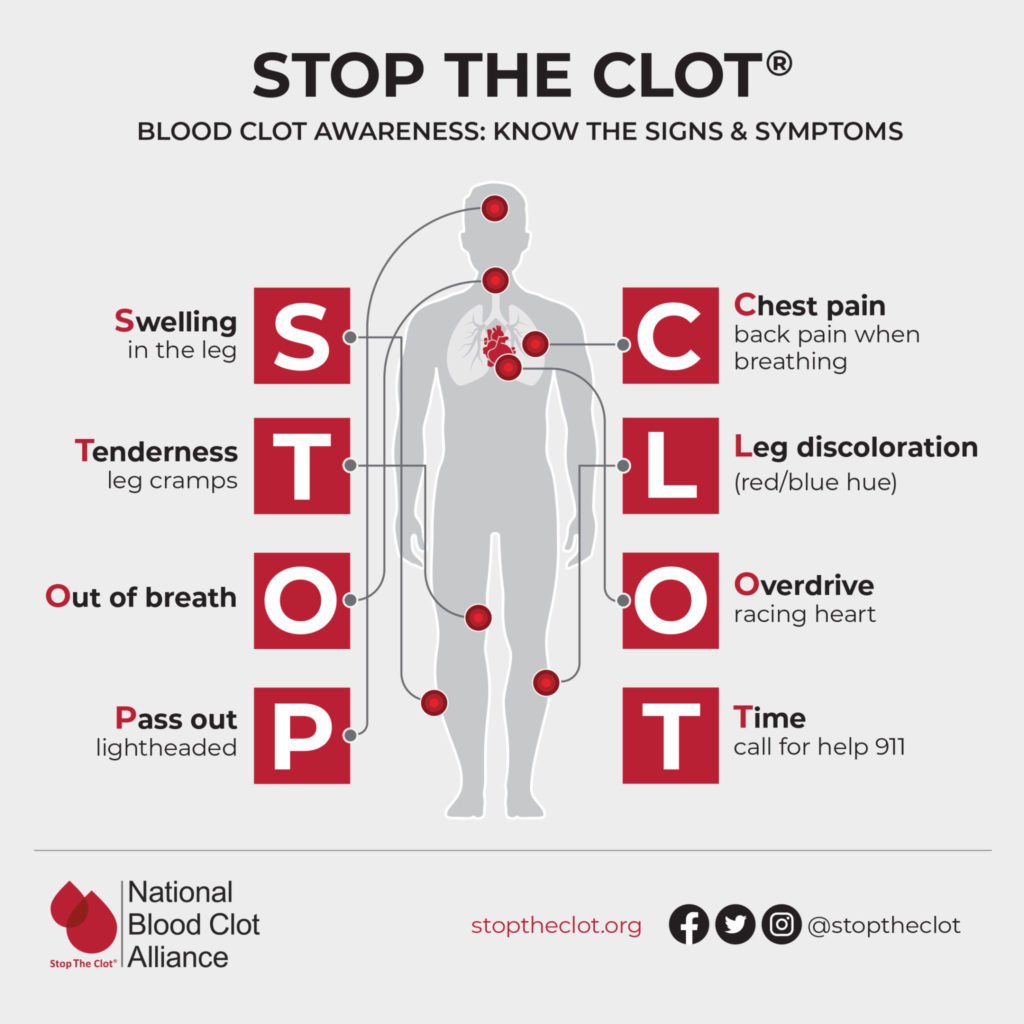
Signs And Symptoms Of Blood Clots Blood Clots
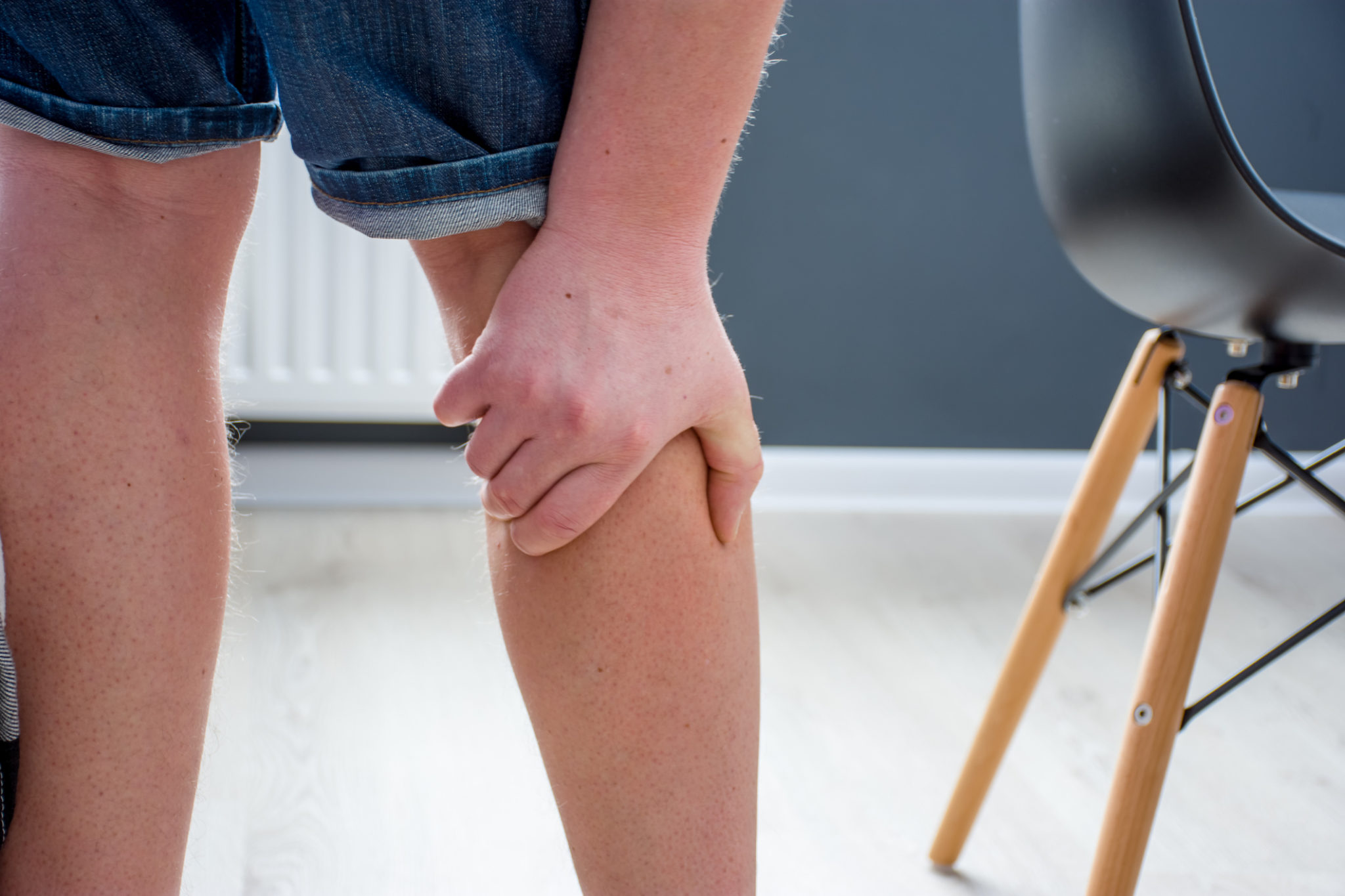
What Do Blood Clots In The Leg Feel Like


Comments
Post a Comment